
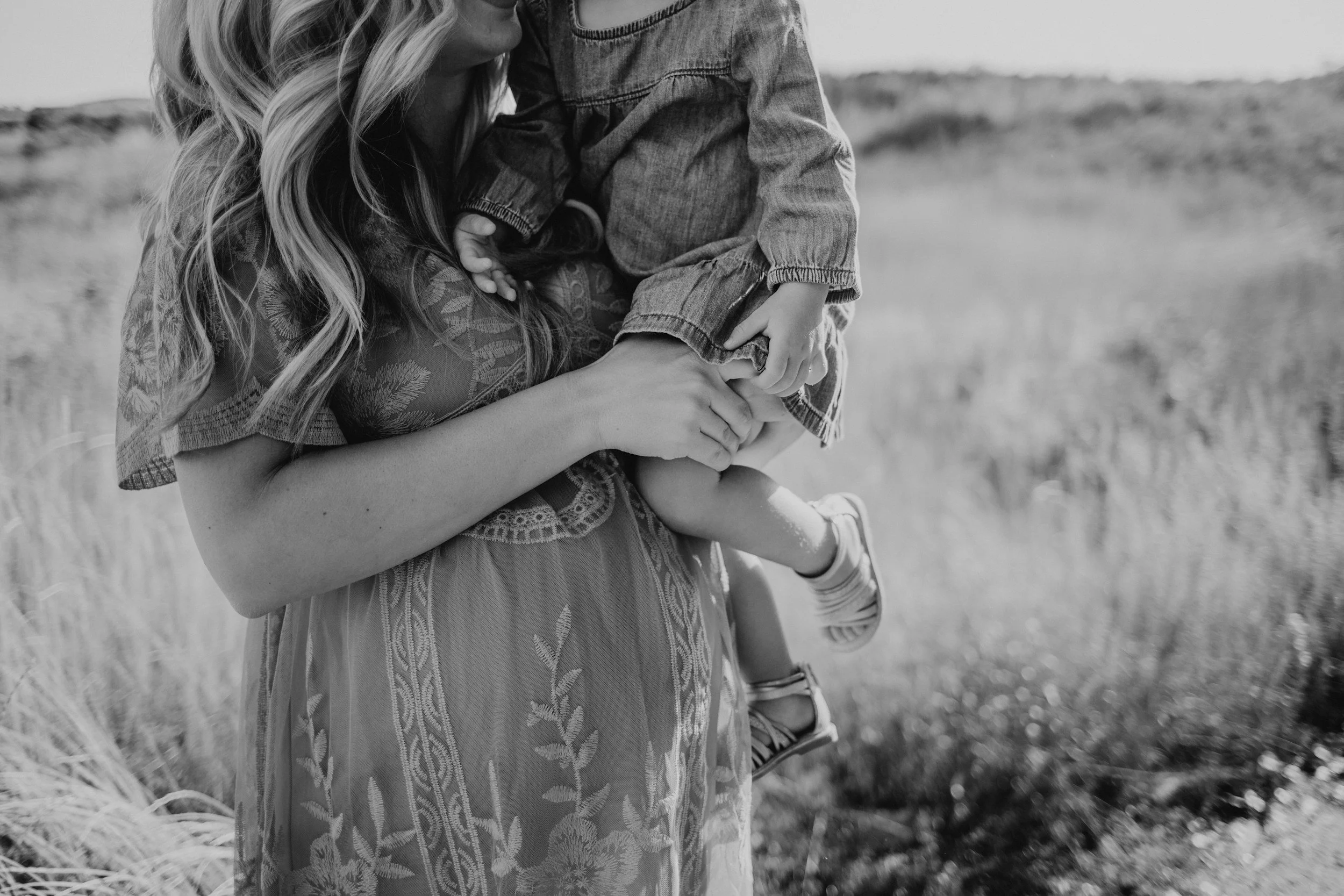
Real Stories
Lived experiences of perinatal mental health in Australia
Holding space for the stories we often keep to ourselves.
I know first-hand how isolating it can feel when you’re experiencing perinatal mental health challenges — like you’re the only one thinking or feeling this way. That’s why sharing lived experience matters.
These are real stories from mothers across Australia who have moved through pregnancy, birth, and postpartum while navigating depression, anxiety, OCD, trauma, bipolar disorder, psychosis, and recovery.
My hope is that these stories help reduce stigma, offer insight into the support and services that can help, and inspire those on their own healing journey. More than anything, I hope you know you’re not alone.
Thank you for trusting me with your stories — it’s an honour I don’t take lightly.
Explore Stories by Experience.
All Episodes.

47 | Rachel
As a paramedic, Rachel was used to supporting others through crisis — not experiencing it herself. During a pregnancy complicated by hyperemesis, she faced overwhelming anxiety, sadness, and a sense of hopelessness that left the ‘helper’ feeling completely disoriented.

46 | Lisa
Navigating pregnancy and postpartum in a new country, Lisa felt increasingly isolated without familiar support around her. When her newborn was taken to the special care nursery without explanation, and her concerns were repeatedly dismissed, she was left feeling unseen, unheard, and not held for years.

45 | Amber-Lee
When Amber-Lee found herself unexpectedly pregnant, she knew life would change — but not in the ways she experienced. Through two pregnancies complicated by hyperemesis, a traumatic birth, and a challenging postpartum period, she navigated trauma, mental ill health, and the pressure of being ‘the strong one’ while silently struggling.

44 | Natalie
After birth, Natalie’s insomnia quickly spiralled into a mental health crisis, with sleepless nights giving way to panic, hallucinations, and the fear she would never sleep again. At her most vulnerable, she reached a breaking point that led her to seek urgent support.

42 | Kristy
Kristy had long coped with anxiety and depression by staying busy, but after infertility, birth trauma, and a decline in postpartum mental health, those familiar coping strategies no longer worked. As she struggled with the stillness of motherhood, an unexpected ADHD diagnosis reframed everything she thought she knew about herself.

41 | Chloe
Chloe’s story moves through a series of places that marked the height of her anxiety and melancholic depression — from hospital wards after a retained placenta to the streets where she pushed her pram while fighting suicidal ideation. From emergency departments to a mother-and-baby unit admission, she navigated severe symptoms and the challenge of accepting help.

40 | Dayna
Dayna’s story reflects what it can feel like when trauma compounds. After a complicated emergency caesarean and separation from her baby, she was left without the newborn bubble she had hoped for. What followed was ongoing anxiety, panic, rage, and hypervigilance, alongside D-MER and the lasting impact of birth trauma within a strained health system.

34 | Emma
OCD had been part of Emma’s life for many years, though it went unrecognised until early motherhood, following pregnancy loss and the birth of a premature baby during lockdown. What followed was an OCD crisis marked by depression, shame, and the challenges of accessing support. Emma reflects on the process of understanding her diagnosis and the role of acceptance, writing, and community in her recovery.
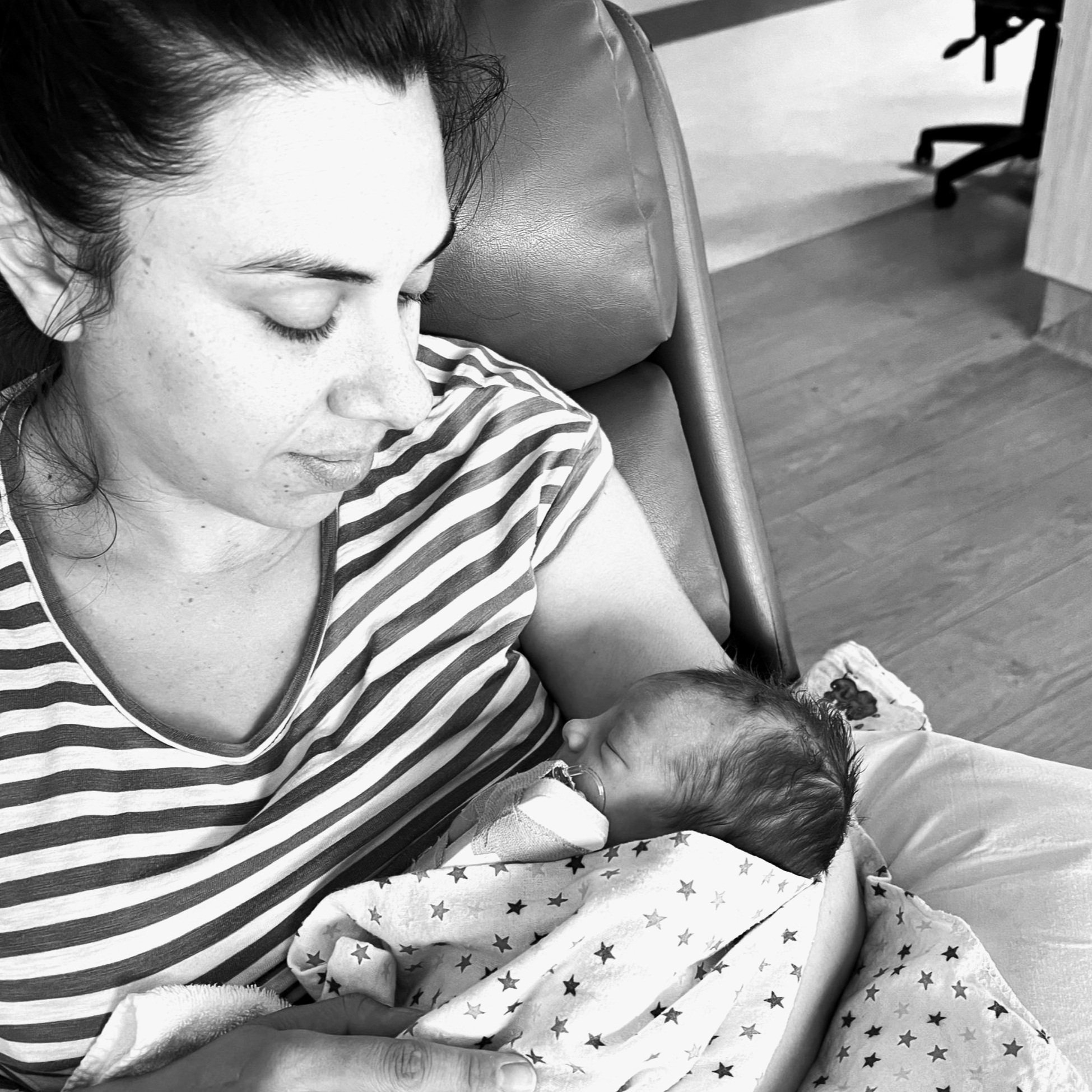
33 | Laura
After a traumatic first birth, Laura entered her second pregnancy hoping for a different experience — a ‘redo’. But complications and a precipitous labour led to a second postpartum marked by flashbacks, insomnia, panic, and depression — an undoing rather than a redoing. Laura reflects on the impacts of birth trauma, and the process of rebuilding with the support she was able to access.

32 | Jess
After a positive first postpartum experience, Jess never expected her next pregnancy to be any different — until she discovered she was carrying twins. As intrusive thoughts and compulsions intensified, her mental health rapidly declined, and the demands of caring for multiples compounded the feeling that she wasn’t enough. Despite support from acute mental health services, her symptoms escalated into hallucinations and psychosis.

31 | Caitlin
As a midwife with no history of mental ill health, Caitlin never expected to develop severe postpartum depression and anxiety after the birth of her second child. Her condition escalated to the point of requiring an eight-week psychiatric admission in the same hospital where she worked, followed by electroconvulsive therapy (ECT) for treatment-resistant depression. Caitlin reflects on her journey through diagnosis, treatment, and the return of hope.

30 | Tessa
During pregnancy, Tessa was admitted to a mother-and-baby psychiatric unit and made a promise to her unborn baby that they would never return. But the pressures of early postpartum and perfectionism led to a return to the MBU — not once, but twice. Tessa reflects on learning to accept support, let go of shame, and recognise just how far she has come in her recovery.

29 | Amelia
After a straightforward physiological birth, Amelia experienced a sudden postpartum haemorrhage that separated her from her newborn and triggered an acute mental health crisis. She developed mania, insomnia, and postpartum psychosis, which she largely concealed from her care providers until she sought urgent help. Amelia reflects on the challenges of recognition, recovery, and preparing for a subsequent pregnancy with her mental health in mind.

28 | Jessie
Jessie’s story begins in early motherhood, when she was diagnosed with depression and anxiety and experienced vivid intrusive thoughts, panic attacks, and persistent distress. After relocating to rural NSW for family support, she struggled to access the right professional care. Jessie shares how advocating for herself helped change the trajectory of her motherhood experience.

27 | Claire
Birth trauma shaped much of Claire’s early motherhood, impacting her mental and physical health in ways she never expected, alongside the challenges of border closures and a difficult feeding journey. When ‘failure to thrive’ was applied to her son, it became a label she internalised herself. Claire reflects on her experience of anxiety, PTSD, and learning to reconnect with herself as she redefined what it means to thrive.

26 | Rebecca
In this personal episode, Rebecca shares her experience of a second pregnancy — one she had hoped would feel different. As she reflects on the similarities and differences from her first, she speaks openly about the conflicting emotions of pregnancy, including hope, fear, and uncertainty, and the support systems she is putting in place as she approaches birth, given her history of tokophobia, PTSD, and OCD.

25 | Ashlee
As a perinatal and infant mental health psychologist, Ashlee expected the transition to motherhood to come naturally. Instead, she experienced severe anxiety in pregnancy and depression in postpartum, missing her own red flags while navigating feeding, sleep, and health challenges with her daughter. Ashlee reflects on the complexity of recognising mental ill health in motherhood, alongside her diagnosis of autism, and her journey towards seeking support and recovery.

24 | Siobhan
With a background in child development psychology, Siobhan expected to feel prepared for motherhood. Instead, a traumatic birth and intense sleep deprivation during lockdown led to a postpartum experience marked by anxiety, depression, and, at its most severe, hallucinations and suicidal ideation. Siobhan reflects on the impact on her sense of self and the supports that helped her move towards recovery.

22 | Gemma
With a background in social work, Gemma didn’t expect the transition to motherhood to feel so disorienting. From early pregnancy, she experienced a profound sense of identity loss and anxiety, followed by a challenging postpartum marked by guilt and unmet expectations. Gemma reflects on the barriers she faced accessing support, and how reconnecting with herself — through therapy, work, and movement — helped her find her footing in motherhood.

21 | Sarah
After leaving the mother-and-baby unit, Sarah felt proud of her recovery — but her story didn’t end there. A relapse marked by severe depression led to further hospital admissions, forcing her to confront the reality of non-linear healing and its impact on her sense of self, including her experience as a self-confessed ‘frequent flyer’ of the MBU. In part two, Sarah reflects on the tension between progress, setback, and identity.
What Listeners are Saying.
-
![A pink heart outline with a smaller white heart inside, on a white background.]()
"She is a wonderful storyteller and her personal perinatal story is one to be told. So much love and respect, Rebecca. Can't wait for the rest of your episodes"
Kathryn
(via Instagram) -
![A pink, hand-drawn heart with a crackle effect on a white background.]()
"Can't recommend enough! This is one of the most important podcasts to be released this year. It is absolutely crucial for the topics of mental health throughout pregnancy, birth, postpartum (and beyond) to be destigmatised and brought into the spotlight and Rebecca has done this stunningly. She speaks so vulnerably and openly and not only is it heartbreaking but it's also in many places painfully relatable. Thank you for such a wonderful podcast!"
tattooloo
(Apple Podcast Review) -
![A heart shape with rough, uneven edges and a smaller heart outline inside, in a light pink colour.]()
"This podcast will change lives - I'm sure of it"
Jade
(via Instagram) -
![A beige heart outline with a smaller, overturned heart shape inside it, on a white background.]()
"Great podcast for a great cause! Love everything about this podcast. It’s shedding light surrounding the very well hidden but alarmingly high statistics of mental health around pregnancy, birth and post partum… These stories definitely help in making you feel like you’re not alone. Thank you!"
theawesomeabsol
(Apple Podcast Review) -
![A pink, hand-drawn heart with a distressed texture on a white background.]()
"The most important podcast any mumma will listen to! I can’t even put into words how life changing this podcast is and there are only 3 episodes so far!... This podcast is a monumental leap forward in breaking the stigma surrounding PNDA and helping all mums realise there is most definitely help available and you deserve that help!"
JessieF0895
(Apple Podcast Review) -
![A pinkish-beige heart outline with a distressed, rough texture on a white background.]()
"This podcast reminds me I’m not alone! Rebecca is amazing and I am so grateful for her podcast. She reminds me that I’m not alone in my perinatal/postpartum mental health struggles. She reminds me that I don’t need to feel ashamed for having these struggles... Thank you to all of those who are bravely sharing their stories on this podcast to help us all remember- we are not broken, we are not alone, we deserve support, and we matter."
ACSH21
(Apple Podcast Review)


