
REAL STORIES
Mental Health Services
Lived Experiences of Psychiatric, Community, and Peer Support
Explore real stories of mothers navigating hospital care, Mother-Baby Units (MBU), community mental health teams, and helplines in Australia. These stories highlight the experiences of seeking and receiving professional mental health and peer support during pregnancy and postpartum.
Within these services, mothers were often supported to access a range of therapies and treatments — from counselling and medication to approaches like EMDR and ECT — which you can explore in Therapies & Treatments.
Jump to: MBU | Inpatient Psychiatric Care | Crisis Teams | Community Mental Health Teams | HITH | Psychiatry | Helplines | Peer & Group SupportMother-and-Baby Units (MBU)
Stories from mothers admitted to mother–and-baby units during the perinatal period. These accounts describe living on the unit with a baby, daily routines, support from staff, and the experience of receiving intensive psychiatric care while continuing to parent.

After birth, Natalie’s insomnia quickly spiralled into a mental health crisis, with sleepless nights giving way to panic, hallucinations, and the fear she would never sleep again. At her most vulnerable, she reached a breaking point that led her to seek urgent support.

Chloe’s story moves through a series of places that marked the height of her anxiety and melancholic depression — from hospital wards after a retained placenta to the streets where she pushed her pram while fighting suicidal ideation. From emergency departments to a mother-and-baby unit admission, she navigated severe symptoms and the challenge of accepting help.

Sophie’s experience of perinatal mental ill health spanned depression, intrusive thoughts, and psychosis — leaving her feeling numb, fearful, and at times unable to trust herself around her baby. As her symptoms intensified and daily functioning became difficult, she required hospital support, and a decision to pursue TMS became a turning point in her recovery.

For the first three months of her daughter’s life, Sarah put on a brave face while anxiety and insomnia quietly intensified behind the scenes. When she could no longer hide the severity of her illness, she finally said, ‘I need serious help’, marking the beginning of her journey towards finding the support she needed.

For over a year, Ariane hid the severity of her symptoms, performing the role of the ‘good’ mother while her mental health deteriorated. When that façade finally fell, she was admitted to a psychiatric hospital and had to trust her psychiatrist to take the lead — a turning point in her recovery.

When Ariane became a mother, she was confronted by delusions, hallucinations, and severe depression, shaped by a lifelong pull towards perfectionism and control. As a former caseworker and psychologist, her identity both masked and magnified her struggles, delaying her ability to seek help.

After a positive first postpartum experience, Jess never expected her next pregnancy to be any different — until she discovered she was carrying twins. As intrusive thoughts and compulsions intensified, her mental health rapidly declined, and the demands of caring for multiples compounded the feeling that she wasn’t enough. Despite support from acute mental health services, her symptoms escalated into hallucinations and psychosis.

During pregnancy, Tessa was admitted to a mother-and-baby psychiatric unit and made a promise to her unborn baby that they would never return. But the pressures of early postpartum and perfectionism led to a return to the MBU — not once, but twice. Tessa reflects on learning to accept support, let go of shame, and recognise just how far she has come in her recovery.

After leaving the mother-and-baby unit, Sarah felt proud of her recovery — but her story didn’t end there. A relapse marked by severe depression led to further hospital admissions, forcing her to confront the reality of non-linear healing and its impact on her sense of self, including her experience as a self-confessed ‘frequent flyer’ of the MBU. In part two, Sarah reflects on the tension between progress, setback, and identity.

During postpartum, Sarah experienced anxiety, OCD, and depression that gradually eroded her sense of self. As her symptoms intensified, she was forced to confront her assumptions about mental health and recovery. Part one follows her journey towards seeking support, including medication and her first admission to a mother-and-baby unit.

As a psychologist, Gen was familiar with psychiatric wards — but she never expected to be admitted as a patient shortly after the birth of her son. Following a severe postpartum infection, her mental health rapidly declined, with delusions and hallucinations taking hold. Gen reflects on her experience of acute mental illness, the impact of stigma, and her journey towards recovery and advocacy.

After years of infertility, IVF, and complex pregnancies, Emma entered motherhood already carrying a significant emotional load. Antenatal anxiety, birth trauma, and further life stressors compounded her mental health, eventually leading to an admission to a mother-and-baby unit. Emma reflects on her journey towards prioritising her own healing, and how her experience has shaped her advocacy for other mothers.

After a joyful first postpartum experience, Tegan was unprepared for how quickly her mental health unravelled the second time. As her OCD intensified and her symptoms were repeatedly dismissed, she struggled to access the care she needed, until finally she was admitted to a mother-and-baby unit — all thanks to the help of an unlikely stranger.

Rebecca had spent most of her life imagining motherhood — but not the mental breakdown that led to a psychiatric admission just days after her son’s birth. In part two, she reflects on a postpartum experience, shaped by OCD and PTSD, that unfolded in ways she never could have imagined.
Inpatient Psychiatric Care
Stories from mothers admitted to psychiatric hospitals or wards during pregnancy or postpartum. These experiences explore being separated from home or baby, the structure of inpatient care, and the routines of daily life on a mental health ward.
After birth, Natalie’s insomnia quickly spiralled into a mental health crisis, with sleepless nights giving way to panic, hallucinations, and the fear she would never sleep again. At her most vulnerable, she reached a breaking point that led her to seek urgent support.
Sophie’s experience of perinatal mental ill health spanned depression, intrusive thoughts, and psychosis — leaving her feeling numb, fearful, and at times unable to trust herself around her baby. As her symptoms intensified and daily functioning became difficult, she required hospital support, and a decision to pursue TMS became a turning point in her recovery.
For over a year, Ariane hid the severity of her symptoms, performing the role of the ‘good’ mother while her mental health deteriorated. When that façade finally fell, she was admitted to a psychiatric hospital and had to trust her psychiatrist to take the lead — a turning point in her recovery.
After a positive first postpartum experience, Jess never expected her next pregnancy to be any different — until she discovered she was carrying twins. As intrusive thoughts and compulsions intensified, her mental health rapidly declined, and the demands of caring for multiples compounded the feeling that she wasn’t enough. Despite support from acute mental health services, her symptoms escalated into hallucinations and psychosis.

As a midwife with no history of mental ill health, Caitlin never expected to develop severe postpartum depression and anxiety after the birth of her second child. Her condition escalated to the point of requiring an eight-week psychiatric admission in the same hospital where she worked, followed by electroconvulsive therapy (ECT) for treatment-resistant depression. Caitlin reflects on her journey through diagnosis, treatment, and the return of hope.
After leaving the mother-and-baby unit, Sarah felt proud of her recovery — but her story didn’t end there. A relapse marked by severe depression led to further hospital admissions, forcing her to confront the reality of non-linear healing and its impact on her sense of self, including her experience as a self-confessed ‘frequent flyer’ of the MBU. In part two, Sarah reflects on the tension between progress, setback, and identity.
As a psychologist, Gen was familiar with psychiatric wards — but she never expected to be admitted as a patient shortly after the birth of her son. Following a severe postpartum infection, her mental health rapidly declined, with delusions and hallucinations taking hold. Gen reflects on her experience of acute mental illness, the impact of stigma, and her journey towards recovery and advocacy.

With a diagnosis of bipolar disorder, Taegan spent years preparing for motherhood, determined to manage her mental health. After a relatively manageable first postpartum, she expected a similar experience the second time — but instead experienced postpartum depression and rage, followed by an involuntary hospital admission. Taegan reflects on the unpredictability of navigating motherhood with a pre-existing mental health condition, and the role of self-compassion in her recovery.

As a self-confessed ‘flaming extrovert’, Lauren struggled with the isolating and repetitive rhythm of early motherhood. With a history of IVF, miscarriage, pregnancy complications, and traumatic births, the intense love she felt after both births was overshadowed by the onset of postpartum depression by six months postpartum.
Crisis Teams
Stories from mothers who were supported by crisis assessment and treatment teams (CATT). These experiences describe urgent mental health support, rapid assessments, and short-term care during periods of acute distress.
After birth, Natalie’s insomnia quickly spiralled into a mental health crisis, with sleepless nights giving way to panic, hallucinations, and the fear she would never sleep again. At her most vulnerable, she reached a breaking point that led her to seek urgent support.

During pregnancy, Natalie was consumed by anxiety and insomnia, constantly seeking reassurance and holding onto the hope that things would ease once her baby arrived. But after birth, the worry only deepened and became harder to contain.
Community Mental Health Teams
Stories from mothers accessing community-based and specialist perinatal and infant mental health services (PIMHS), including support from social workers. These accounts describe the practical support involved in coordinating care, both in the community and after hospital.

As a paramedic, Rachel was used to supporting others through crisis — not experiencing it herself. During a pregnancy complicated by hyperemesis, she faced overwhelming anxiety, sadness, and a sense of hopelessness that left the ‘helper’ feeling completely disoriented.

With a family history of postpartum depression, Chloe thought she knew what signs to look out for in perinatal mental illness. But immediately after both births, she experienced insomnia that escalated into psychosis — what she calls ‘the crash’. Chloe shares the intensity of postpartum psychosis, and the long aftermath of making sense of what happened and rebuilding a sense of normal.
For the first three months of her daughter’s life, Sarah put on a brave face while anxiety and insomnia quietly intensified behind the scenes. When she could no longer hide the severity of her illness, she finally said, ‘I need serious help’, marking the beginning of her journey towards finding the support she needed.

With a background in child development psychology, Siobhan expected to feel prepared for motherhood. Instead, a traumatic birth and intense sleep deprivation during lockdown led to a postpartum experience marked by anxiety, depression, and, at its most severe, hallucinations and suicidal ideation. Siobhan reflects on the impact on her sense of self and the supports that helped her move towards recovery.

‘Are you feeding your baby?’ These were the words that confronted Elyse, an ICU nurse, one week postpartum when she was diagnosed with insufficient glandular tissue (IGT). Despite her relentless efforts to increase her supply, her mental health deteriorated, marked by grief, rage, and a growing sense of disconnection. Elyse reflects on the moment her need for additional support was recognised, and the process of letting go of pressure, control, and self-blame.
After a joyful first postpartum experience, Tegan was unprepared for how quickly her mental health unravelled the second time. As her OCD intensified and her symptoms were repeatedly dismissed, she struggled to access the care she needed, until finally she was admitted to a mother-and-baby unit — all thanks to the help of an unlikely stranger.
Rebecca had spent most of her life imagining motherhood — but not the mental breakdown that led to a psychiatric admission just days after her son’s birth. In part two, she reflects on a postpartum experience, shaped by OCD and PTSD, that unfolded in ways she never could have imagined.
Hospital-in-the-Home (HITH)
Stories from mothers receiving hospital-level care at home. These accounts describe regular visits from healthcare professionals and what it’s like to be treated intensively while remaining in a home environment.
After birth, Natalie’s insomnia quickly spiralled into a mental health crisis, with sleepless nights giving way to panic, hallucinations, and the fear she would never sleep again. At her most vulnerable, she reached a breaking point that led her to seek urgent support.
After a traumatic first birth, Laura entered her second pregnancy hoping for a different experience — a ‘redo’. But complications and a precipitous labour led to a second postpartum marked by flashbacks, insomnia, panic, and depression — an undoing rather than a redoing. Laura reflects on the impacts of birth trauma, and the process of rebuilding with the support she was able to access.
Psychiatry
Stories from mothers working with psychiatrists during pregnancy or postpartum. These accounts explore diagnosis, medication decisions, adjusting dosages over time, and what it’s like to attend ongoing psychiatric appointments.
As a paramedic, Rachel was used to supporting others through crisis — not experiencing it herself. During a pregnancy complicated by hyperemesis, she faced overwhelming anxiety, sadness, and a sense of hopelessness that left the ‘helper’ feeling completely disoriented.

Kristy had long coped with anxiety and depression by staying busy, but after infertility, birth trauma, and a decline in postpartum mental health, those familiar coping strategies no longer worked. As she struggled with the stillness of motherhood, an unexpected ADHD diagnosis reframed everything she thought she knew about herself.
Chloe’s story moves through a series of places that marked the height of her anxiety and melancholic depression — from hospital wards after a retained placenta to the streets where she pushed her pram while fighting suicidal ideation. From emergency departments to a mother-and-baby unit admission, she navigated severe symptoms and the challenge of accepting help.
With a family history of postpartum depression, Chloe thought she knew what signs to look out for in perinatal mental illness. But immediately after both births, she experienced insomnia that escalated into psychosis — what she calls ‘the crash’. Chloe shares the intensity of postpartum psychosis, and the long aftermath of making sense of what happened and rebuilding a sense of normal.
For over a year, Ariane hid the severity of her symptoms, performing the role of the ‘good’ mother while her mental health deteriorated. When that façade finally fell, she was admitted to a psychiatric hospital and had to trust her psychiatrist to take the lead — a turning point in her recovery.
When Ariane became a mother, she was confronted by delusions, hallucinations, and severe depression, shaped by a lifelong pull towards perfectionism and control. As a former caseworker and psychologist, her identity both masked and magnified her struggles, delaying her ability to seek help.
After a traumatic first birth, Laura entered her second pregnancy hoping for a different experience — a ‘redo’. But complications and a precipitous labour led to a second postpartum marked by flashbacks, insomnia, panic, and depression — an undoing rather than a redoing. Laura reflects on the impacts of birth trauma, and the process of rebuilding with the support she was able to access.
After a positive first postpartum experience, Jess never expected her next pregnancy to be any different — until she discovered she was carrying twins. As intrusive thoughts and compulsions intensified, her mental health rapidly declined, and the demands of caring for multiples compounded the feeling that she wasn’t enough. Despite support from acute mental health services, her symptoms escalated into hallucinations and psychosis.
During pregnancy, Tessa was admitted to a mother-and-baby psychiatric unit and made a promise to her unborn baby that they would never return. But the pressures of early postpartum and perfectionism led to a return to the MBU — not once, but twice. Tessa reflects on learning to accept support, let go of shame, and recognise just how far she has come in her recovery.

After a straightforward physiological birth, Amelia experienced a sudden postpartum haemorrhage that separated her from her newborn and triggered an acute mental health crisis. She developed mania, insomnia, and postpartum psychosis, which she largely concealed from her care providers until she sought urgent help. Amelia reflects on the challenges of recognition, recovery, and preparing for a subsequent pregnancy with her mental health in mind.
‘Are you feeding your baby?’ These were the words that confronted Elyse, an ICU nurse, one week postpartum when she was diagnosed with insufficient glandular tissue (IGT). Despite her relentless efforts to increase her supply, her mental health deteriorated, marked by grief, rage, and a growing sense of disconnection. Elyse reflects on the moment her need for additional support was recognised, and the process of letting go of pressure, control, and self-blame.
After leaving the mother-and-baby unit, Sarah felt proud of her recovery — but her story didn’t end there. A relapse marked by severe depression led to further hospital admissions, forcing her to confront the reality of non-linear healing and its impact on her sense of self, including her experience as a self-confessed ‘frequent flyer’ of the MBU. In part two, Sarah reflects on the tension between progress, setback, and identity.
During postpartum, Sarah experienced anxiety, OCD, and depression that gradually eroded her sense of self. As her symptoms intensified, she was forced to confront her assumptions about mental health and recovery. Part one follows her journey towards seeking support, including medication and her first admission to a mother-and-baby unit.
After years of infertility, IVF, and complex pregnancies, Emma entered motherhood already carrying a significant emotional load. Antenatal anxiety, birth trauma, and further life stressors compounded her mental health, eventually leading to an admission to a mother-and-baby unit. Emma reflects on her journey towards prioritising her own healing, and how her experience has shaped her advocacy for other mothers.
With a diagnosis of bipolar disorder, Taegan spent years preparing for motherhood, determined to manage her mental health. After a relatively manageable first postpartum, she expected a similar experience the second time — but instead experienced postpartum depression and rage, followed by an involuntary hospital admission. Taegan reflects on the unpredictability of navigating motherhood with a pre-existing mental health condition, and the role of self-compassion in her recovery.
As a self-confessed ‘flaming extrovert’, Lauren struggled with the isolating and repetitive rhythm of early motherhood. With a history of IVF, miscarriage, pregnancy complications, and traumatic births, the intense love she felt after both births was overshadowed by the onset of postpartum depression by six months postpartum.

Despite her expertise as a midwife and academic, Helen describes her perinatal mental health experience with one word: ‘blindsided’. She developed post-traumatic stress disorder following a traumatic pregnancy marked by pre-eclampsia, IUGR, and a NICU admission, compounded by baby loss and ongoing IVF uncertainty. She reflects on the profound impact of psychological trauma in the perinatal period, both personally and professionally.

After the birth of her son, Jade’s mental health declined amidst ongoing sleep deprivation and she was initially misdiagnosed with postpartum depression. Despite years of seeking support and trying multiple treatments, she continued to experience depressive episodes. It wasn’t until she saw a perinatal psychiatrist that she received a different diagnosis — a turning point that brought both clarity and grief.

A successful economist and self-described high achiever, Kathryn entered motherhood expecting control and certainty — but quickly learned that perfectionism and motherhood do not mix. Her experience of perinatal OCD and depression challenged everything she thought she knew about herself, while her relationship with her psychiatrist became central to her recovery.
After a joyful first postpartum experience, Tegan was unprepared for how quickly her mental health unravelled the second time. As her OCD intensified and her symptoms were repeatedly dismissed, she struggled to access the care she needed, until finally she was admitted to a mother-and-baby unit — all thanks to the help of an unlikely stranger.
Rebecca had spent most of her life imagining motherhood — but not the mental breakdown that led to a psychiatric admission just days after her son’s birth. In part two, she reflects on a postpartum experience, shaped by OCD and PTSD, that unfolded in ways she never could have imagined.
Helplines
Stories from mothers who reached out to helplines during pregnancy or postpartum. These accounts describe moments of crisis or overwhelm, what it’s like to speak to someone immediately, and how these calls can act as a first step toward further support.

When Amber-Lee found herself unexpectedly pregnant, she knew life would change — but not in the ways she experienced. Through two pregnancies complicated by hyperemesis, a traumatic birth, and a challenging postpartum period, she navigated trauma, mental ill health, and the pressure of being ‘the strong one’ while silently struggling.
After a straightforward physiological birth, Amelia experienced a sudden postpartum haemorrhage that separated her from her newborn and triggered an acute mental health crisis. She developed mania, insomnia, and postpartum psychosis, which she largely concealed from her care providers until she sought urgent help. Amelia reflects on the challenges of recognition, recovery, and preparing for a subsequent pregnancy with her mental health in mind.

Jessie’s story begins in early motherhood, when she was diagnosed with depression and anxiety and experienced vivid intrusive thoughts, panic attacks, and persistent distress. After relocating to rural NSW for family support, she struggled to access the right professional care. Jessie shares how advocating for herself helped change the trajectory of her motherhood experience.

As a perinatal and infant mental health psychologist, Ashlee expected the transition to motherhood to come naturally. Instead, she experienced severe anxiety in pregnancy and depression in postpartum, missing her own red flags while navigating feeding, sleep, and health challenges with her daughter. Ashlee reflects on the complexity of recognising mental ill health in motherhood, alongside her diagnosis of autism, and her journey towards seeking support and recovery.

With a background in social work, Gemma didn’t expect the transition to motherhood to feel so disorienting. From early pregnancy, she experienced a profound sense of identity loss and anxiety, followed by a challenging postpartum marked by guilt and unmet expectations. Gemma reflects on the barriers she faced accessing support, and how reconnecting with herself — through therapy, work, and movement — helped her find her footing in motherhood.
After leaving the mother-and-baby unit, Sarah felt proud of her recovery — but her story didn’t end there. A relapse marked by severe depression led to further hospital admissions, forcing her to confront the reality of non-linear healing and its impact on her sense of self, including her experience as a self-confessed ‘frequent flyer’ of the MBU. In part two, Sarah reflects on the tension between progress, setback, and identity.

With a history of anxiety and depression, Jess entered pregnancy with a plan to protect her mental health. But when her son required urgent medical care and a prolonged NICU stay, her own wellbeing was overshadowed by the demands of caring for a critically unwell baby. She reflects on the lasting impact of the NICU experience, and the journey of finding herself again in motherhood.
After years of infertility, IVF, and complex pregnancies, Emma entered motherhood already carrying a significant emotional load. Antenatal anxiety, birth trauma, and further life stressors compounded her mental health, eventually leading to an admission to a mother-and-baby unit. Emma reflects on her journey towards prioritising her own healing, and how her experience has shaped her advocacy for other mothers.

Bubbly and outgoing, Nikolina had never experienced mental ill health before motherhood. But within weeks of giving birth, she was confronted by the sudden onset of perinatal anxiety and depression, with symptoms including insomnia, tearfulness, and an overwhelming sense of not being herself. As she pushed through in silence, she marked time against her baby’s milestones, hoping things would improve by six weeks — until her husband helped her recognise that she needed support.
After the birth of her son, Jade’s mental health declined amidst ongoing sleep deprivation and she was initially misdiagnosed with postpartum depression. Despite years of seeking support and trying multiple treatments, she continued to experience depressive episodes. It wasn’t until she saw a perinatal psychiatrist that she received a different diagnosis — a turning point that brought both clarity and grief.
With a long list of achievements behind her, Lisa assumed motherhood would come easily. Instead, the lack of control and constant crying from her colic baby left her feeling like she was failing. She was diagnosed with depression at five months postpartum, but through therapy, support, and learning to ask for help, Lisa approached her second pregnancy differently, creating space for a different experience of motherhood.
Peer & Group Support
Stories from mothers who found support through peer-led spaces, as well as structured group settings where mothers connect through shared experience. This includes support groups and women’s circles. These experiences describe connecting with others, sharing openly, and hearing from people who have had similar experiences.
When Amber-Lee found herself unexpectedly pregnant, she knew life would change — but not in the ways she experienced. Through two pregnancies complicated by hyperemesis, a traumatic birth, and a challenging postpartum period, she navigated trauma, mental ill health, and the pressure of being ‘the strong one’ while silently struggling.
With a family history of postpartum depression, Chloe thought she knew what signs to look out for in perinatal mental illness. But immediately after both births, she experienced insomnia that escalated into psychosis — what she calls ‘the crash’. Chloe shares the intensity of postpartum psychosis, and the long aftermath of making sense of what happened and rebuilding a sense of normal.
For the first three months of her daughter’s life, Sarah put on a brave face while anxiety and insomnia quietly intensified behind the scenes. When she could no longer hide the severity of her illness, she finally said, ‘I need serious help’, marking the beginning of her journey towards finding the support she needed.
After the birth of her son, Jade’s mental health declined amidst ongoing sleep deprivation and she was initially misdiagnosed with postpartum depression. Despite years of seeking support and trying multiple treatments, she continued to experience depressive episodes. It wasn’t until she saw a perinatal psychiatrist that she received a different diagnosis — a turning point that brought both clarity and grief.
Explore More Perinatal Mental Health Stories by Topic.
Explore Articles on Maternal Mental Health.
Wondering what a Mother and Baby Unit (MBU) is? This guide explains what to expect during an admission, who MBUs are for, and how they support both you and your baby.

Meeting so many different professionals on a Mother and Baby Unit (MBU) can feel overwhelming. Learn who they are, what they do, and how each member of the multidisciplinary team supports your recovery.

Post-traumatic growth describes the possibility that some people experience meaningful psychological changes after trauma. Explore what post-traumatic growth is, what it isn’t, and why growth is a possibility—not an expectation.
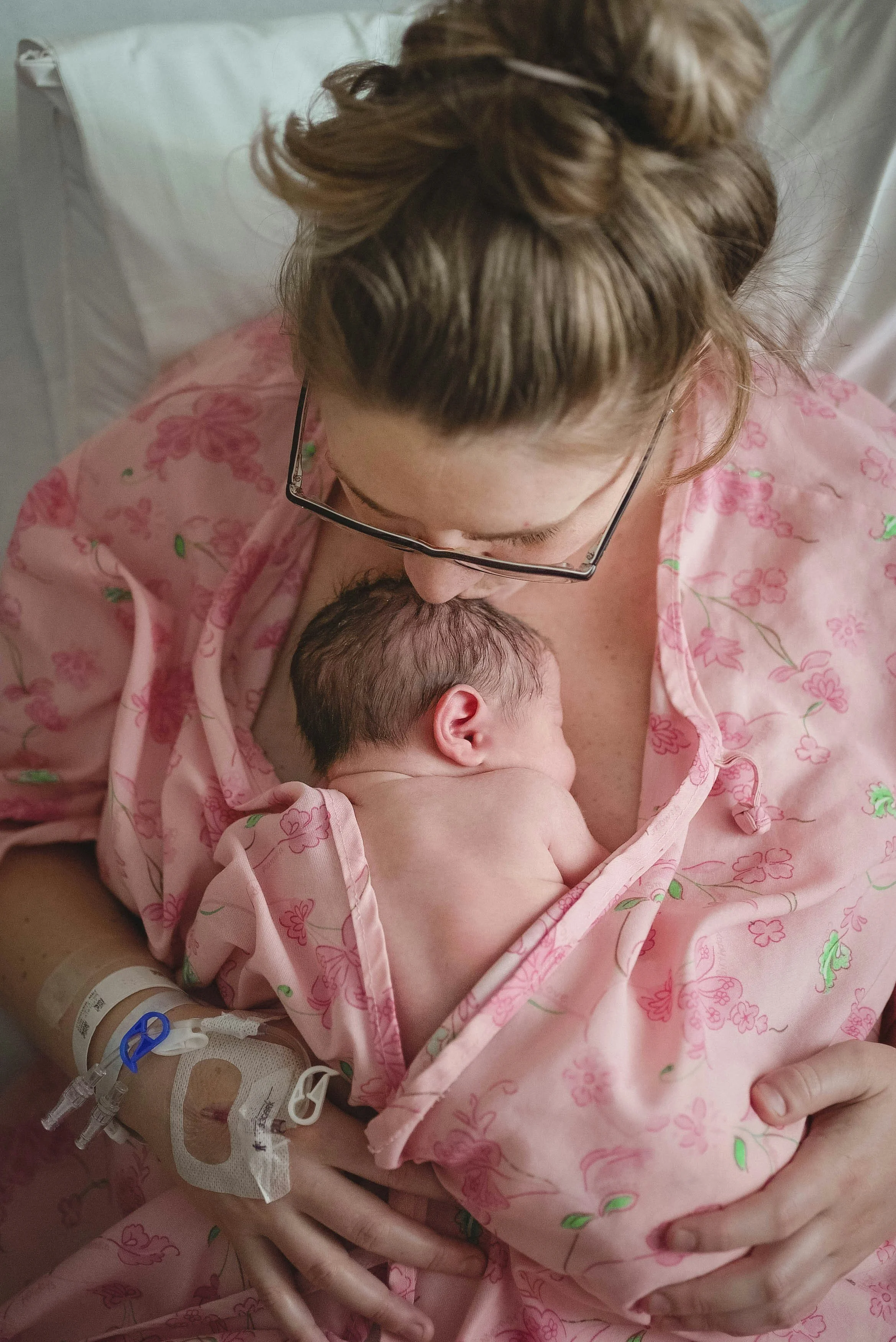
Perinatal trauma can occur during pregnancy, birth, or early parenthood—and it isn't always obvious or physical. Learn about the signs of trauma and PTSD, why trauma affects everyone differently, and where to find support in Australia.
information • advocacy • storytelling • community