"I didn’t plan this…”: Coping with an Unplanned Pregnancy and Your Mental Health
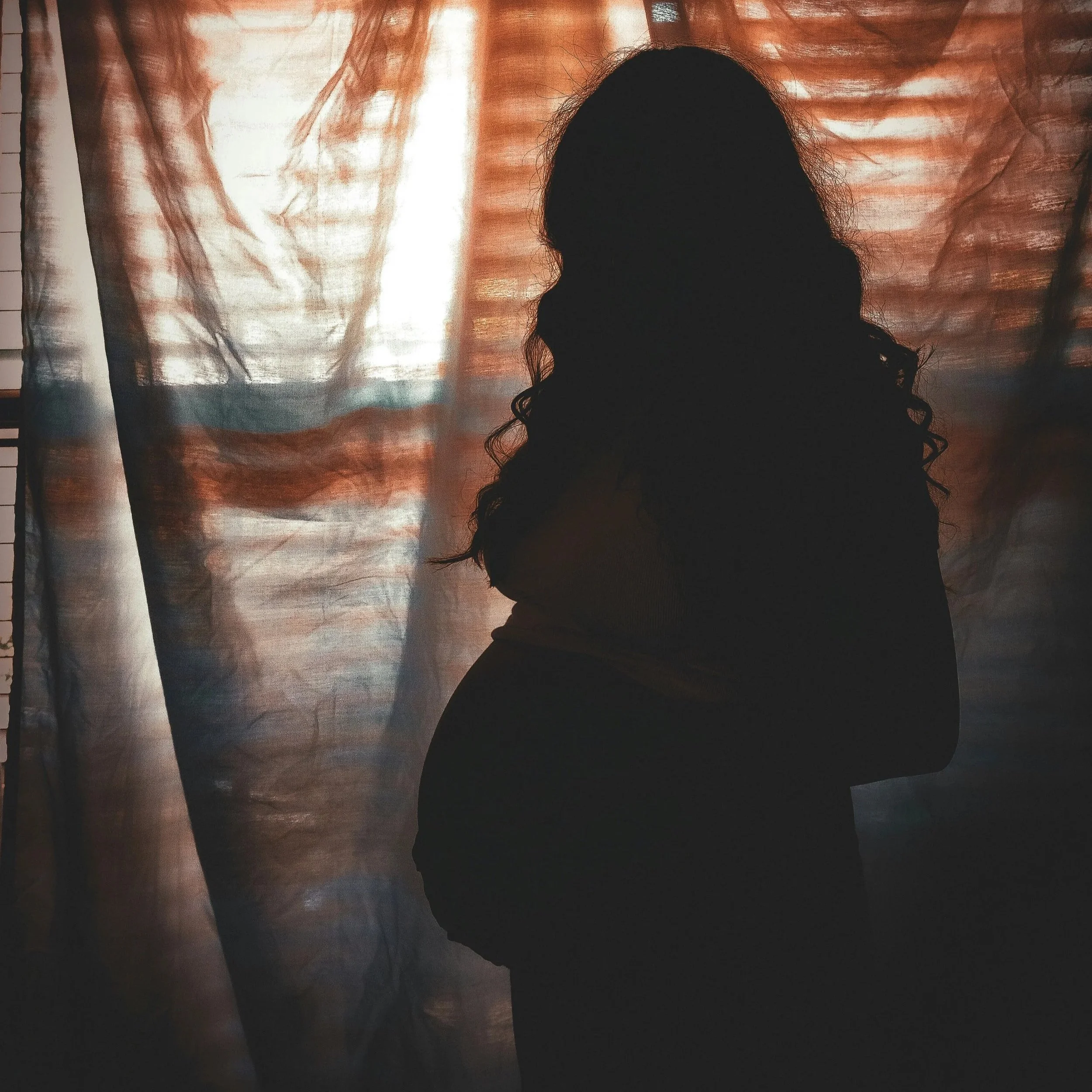
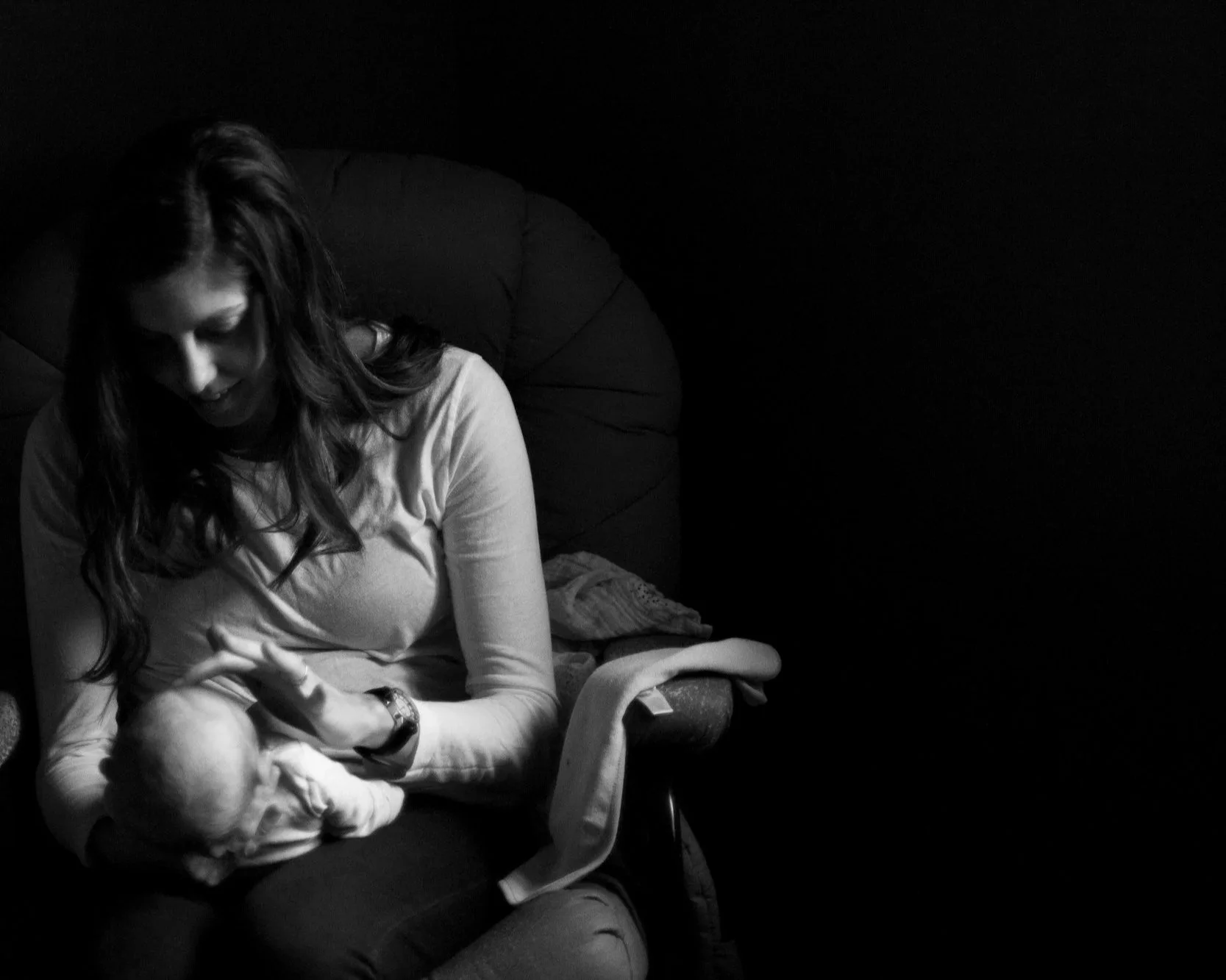
Photo by Trevor Grimes on Unsplash
Share
An unplanned pregnancy can turn your world upside down in an instant. You might be feeling shocked, conflicted, scared, or simply not how you expected to feel — and that can be deeply unsettling.
In a culture that often assumes instant joy, it can be hard to admit when your emotions are more complicated. This space is for that complexity.
Here, we gently explore the mental health impact of unexpected pregnancy, share the voices of mothers who’ve been there, and remind you that whatever you’re feeling right now, you deserve understanding and support.
First Things First: Whatever you’re Feeling is Valid
Shock. Numbness. Fear. Guilt. Confusion. Grief. Anxiety. Even anger. Maybe it doesn’t feel like joy. Maybe you want to feel excited but just… don’t. And that’s okay.
In your words.
“I was still very much trying to heal from the mental struggles that I'd gone through with my daughter. I knew that I was not in a mentally strong point in my postpartum. I knew that... And then when I found out I was pregnant, I was just angry because I didn't want to be pregnant. I really didn't. I was angry at myself. I was angry at my husband...”
If you’re facing an unplanned pregnancy, especially in a world that seems to expect instant maternal bliss, it can feel incredibly lonely.
But here’s the truth: It’s okay not to feel okay. It’s okay not to know how you feel. It’s okay to grieve the life you thought you’d be living right now. It’s okay if this pregnancy feels complicated, painful, or just completely overwhelming.
You’re not a bad person or a bad mum. You’re a human being navigating something huge.
Unplanned Pregnancy: More Common Than We Think
An unplanned pregnancy is any pregnancy that wasn’t actively intended—whether it happened due to contraception failure, personal circumstances, relationship changes, or just… life. In Australia, about 40% of pregnancies are unplanned (Rowe et al., 2016). So, if this is your experience, you’re far from alone!
In your words.
“I was so fearful of being intimate again. Terrified. There was no way I thought I would be able to be intimate ever again with this birth injury. And we were and I fell pregnant…
I very quickly became angry, resentful. And I think because I was just hating the world, I was taking that out on everybody around me.”
Some unplanned pregnancies are joyful surprises. Others bring ongoing stress or uncertainty. And most sit somewhere in between—layered, complicated, messy. There isn’t one ‘right’ way to feel.
You can feel more than one thing at once. Grateful and devastated. Hopeful and numb. Excited one moment, panicked the next. This kind of emotional whiplash is common in any pregnancy, let alone one that wasn’t planned. It doesn’t mean you’re ungrateful. It doesn’t mean you’re broken. It means you’re adjusting, in very human ways, to something significant.
For many people, these layered emotions shift and settle over time. But for some, these feelings can become heavier — lingering, intensifying — or can start to affect your mental health and daily life.
How Unplanned Pregnancy Can Impact Mental Health
While every experience is unique, research shows that an unplanned pregnancy can increase vulnerability to:
Prenatal and postnatal depression
Perinatal anxiety
Emotional distress and overwhelm
Heightened stress
Relationship strain
Social isolation
In your words.
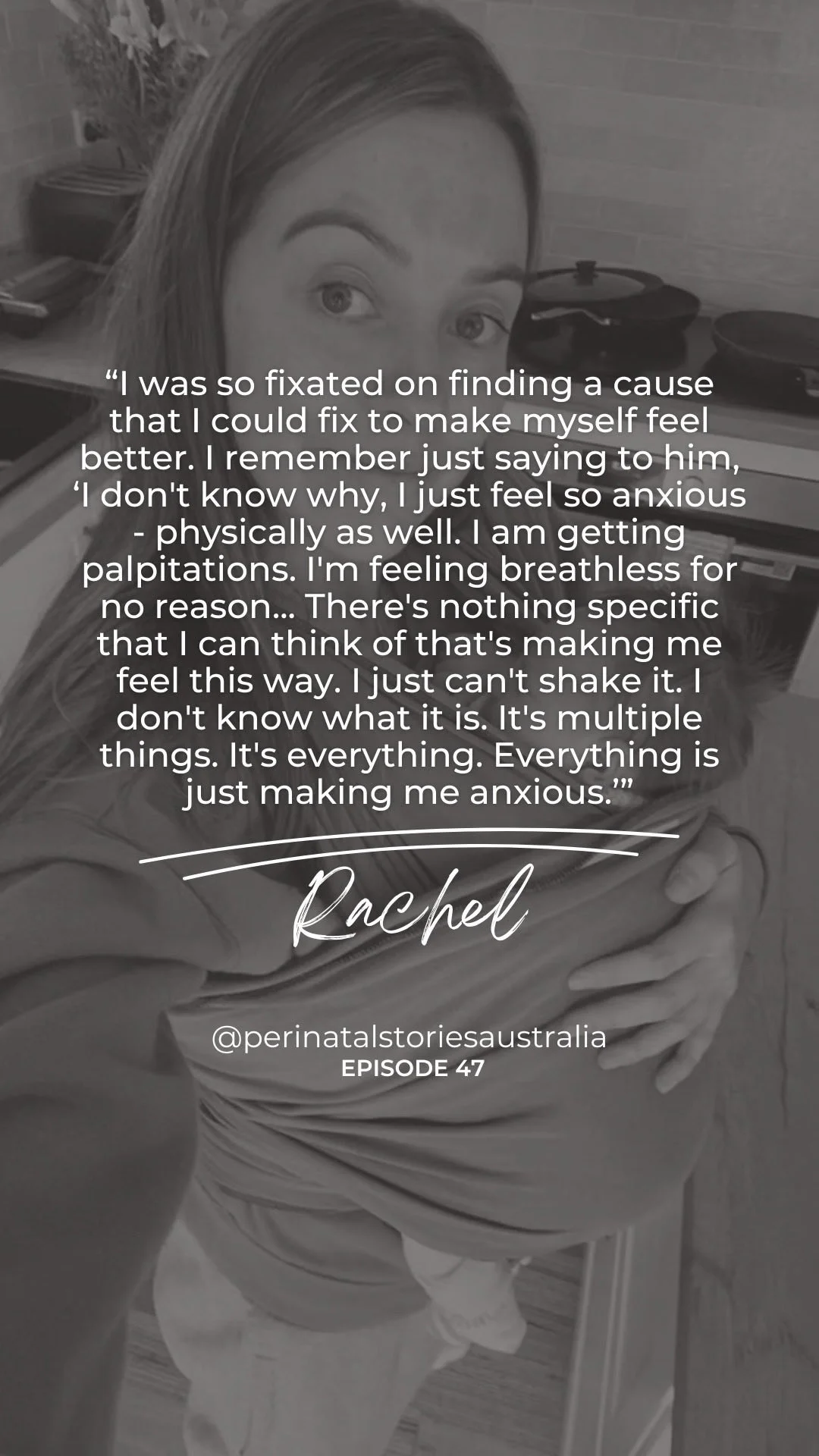
“I actually couldn't even talk about being pregnant, I would say for probably the first four or five months. It took me a very long time to even just say, ‘hey, I'm having another baby’ because I would have this instant feeling of wanting to cry. I'd just start to panic. I just had this sickness in my stomach, lump in my throat. I got blurred vision, like the full-blown panic symptoms. I couldn't even say the words.
It took a very long time for me to be able to mentalise the fact that I was actually having on the baby without going into a really dark physical space.”
For example, a longitudinal study by Muskens et al. (2022) found that women with unplanned pregnancies showed persistently higher levels of depressive symptoms in all trimesters of pregnancy and during the first 12 months postpartum—even when adjusting for age, income, and support levels.
This doesn’t mean these challenges are inevitable. And it certainly doesn’t mean they define you.
But it does mean that your mental health matters. Early, compassionate support — not just for your physical health, but for your emotional wellbeing — can make a meaningful difference. Taking care of yourself now can help you navigate this unexpected chapter with more steadiness, self-understanding, and connection.
Why These Feelings Arise
It’s common to experience intense or conflicting emotions after an unplanned pregnancy - from overwhelm, anxiety, and uncertainty, to mood swings, or numbness. These reactions often reflect the sudden changes, difficult decisions, pressures, and psychological adjustments that can come with an unexpected pregnancy.
Several factors can contribute to how you’re feeling, including:
Feeling unprepared or not having enough support
Uncertainty or tension in your relationships
Financial or housing concerns
A history of trauma or pre-existing mental health challenges
Previous experiences of pregnancy, birth, or the postpartum period - whether positive, difficult, or unresolved
The weight of decisions about parenting, abortion, or adoption
Social, cultural, or internalised expectations
There may be individual, relational, systemic, or historical factors at play. And sometimes there isn’t a clear reason at all. The emotions just are. And that’s valid too.
Understanding what might be contributing to your experience can help you identify the kind of support you may need. You don’t have to have all the answers or make all the decisions right now. Focusing on small, manageable steps can help you respond with care, clarity, and self-compassion as you navigate this unexpected chapter.
So… What Helps?
Acknowledge What You’re Really Feeling.
This may sound simple, but it’s powerful: give yourself permission to notice, name, and reflect on your feelings without judgment.
In your words.
“You know what? I'm not the only one, I'm not the only one, I'm not the only one! I'm going to cry even now just thinking about it! I'm not the only one who has thought: ‘I do not want to be pregnant right now’. You know what I mean? I'm not the only one who's thought that!”
“I didn’t ask for this.”
“I’m scared.”
“I’m not sure what I want.”
“I feel alone.”
Acknowledging and sitting with your emotions is not the same as giving up. It’s the first step to reclaiming your voice and supporting your mental health.
Access Support Early.
Women with unplanned pregnancies often delay seeking antenatal care or mental health support. That’s totally understandable—but getting help early can really make a difference.
In your words.
“That was the longest weekend of my life. I remember just sitting underneath a weighted blanket for the whole weekend, just rocking back and forth feeling awful because I didn't know how to feel. This was such a different experience for us, where it was just such a surprise…
And I started having all these intrusive, irrational thoughts: This is going to be too much for us. My husband's going to leave me. How are we going to afford it? I'm going to end up in the MBU again… I was really lucky because I was already seeing the psychologist and she talked me through everything.”
Services and perinatal mental health specialists can provide guidance and strategies tailored to your needs:
Counsellors or psychologists with experience in pregnancy and postpartum mental health (ForWhen, COPE, and the Gidget Foundation Australia are great places to start)
Social workers or occupational therapists can help with practical concerns
YourGP, midwife, or obstetrician can screen for depression or anxiety and connect you with support
PANDA (1300 726 306) offer free, confidential emotional support
Pregnancy Choices Helpline (1800 008 463) offer free, unbiased and confidential information on pregnancy options available in NSW
Children by Choice (1800 177 725) offer free, confidential and non-judgmental support to people across Queensland
Family Planning NSW Talkline (1300 658 886) offer free and confidential information and advice to people in NSW
Shine SA Sexual Healthline (1300 883 793) offer free and confidential reproductive and sexual health advice from nurses and midwives in South Australia
1800 4 Choice (1800 424 642) offer free and confidential support to people experiencing unplanned pregnancy in Western Australia
Find Your Own Meaning.
Each person’s experience is unique. Taking the time to reflect on what this situation means for you can help you feel more grounded and better able to cope.
In your words.
“I did feel like, in the really deep parts of my soul, I know that this feeling won't last and I know that this will pass and I had faith that it would pass and I had faith that all these other things are changing for positive and I'm getting mental health support and I am reaching out and I am talking about these things. And so I was just confident that it wouldn't last forever.”
Your understanding of this experience can change over time. There is no single ‘right’ way to make sense of it. You can explore your feelings through journaling, creative expression, or conversations with people you trust.
You don’t have to rush toward certainty. It’s okay to sit in the “I don’t know.” Whether you decide to parent, explore adoption, or consider termination, your experience deserves respect, and you deserve care for yourself as your navigate this chapter.
Lean on Your Circle (Or Create One).
You don’t need to face this alone. Emotional support can reduce stress and help you feel less isolated:
Talk with trusted friends or family about what you’re experiencing
Join peer support groups for people facing unplanned pregnancy
Reach out to online communities or local parent support networks
Explore community resources for financial, housing, or childcare support
If your usual support network doesn’t feel safe or understanding, you’re not stuck. You are not the only one walking this path. There are people who get it.
Gentle Reminders
You don’t have to love every moment of pregnancy to love your baby (or to be a good person)
You’re allowed to grieve—even when other people don’t understand
Your worth is not defined by how “happy” or “grateful” you appear
You don’t need to know all the answers to take the next step
In Summary
Unplanned pregnancy can stir up an emotional storm — and that’s not a reflection of your strength or character. It’s a reflection of how deeply this experience can affect your body, your mind, and your identity.
Remember…
Even small steps — like sharing your feelings with a trusted person, scheduling an appointment with a counsellor, or taking a mindful pause — can make a difference to your mental health.
But there is space for your story here.
You are allowed to feel uncertain.
You are allowed to need help.
You are allowed to hope, to grieve, to rage, to soften.
And you absolutely deserve understanding, support, and care—no matter how this began, or where it’s headed.
Sources
Rowe, H., Holton, S., Kirkman, M., Bayly, C., Jordan, L., McNamee, K., McBain, J., Sinnott, V., & Fisher, J. (2016). Prevalence and distribution of unintended pregnancy: The Understanding Fertility Management in Australia National Survey. Australian and New Zealand Journal of Public Health, 40(2), 104–109. https://doi.org/10.1111/1753-6405.12461
Muskens, L., Boekhorst, M. G. B. M., Kop, W. J., van den Heuvel, M. I., Pop, V. J. M., & Beerthuizen, A. (2022). The association of unplanned pregnancy with perinatal depression: A longitudinal cohort study. Archives of Women’s Mental Health, 25(3), 611–620. https://doi.org/10.1007/s00737-022-01225-9
This blog is informed by lived experience and is not intended as medical advice.
If you or someone you know needs support, Perinatal Stories Australia encourages you to reach out to Lifeline (13 11 14), 13YARN (13 19 76), or Suicide Callback Service (1300 659 467).