The Emotional Toll of Pre-eclampsia, Eclampsia & HELLP Syndrome
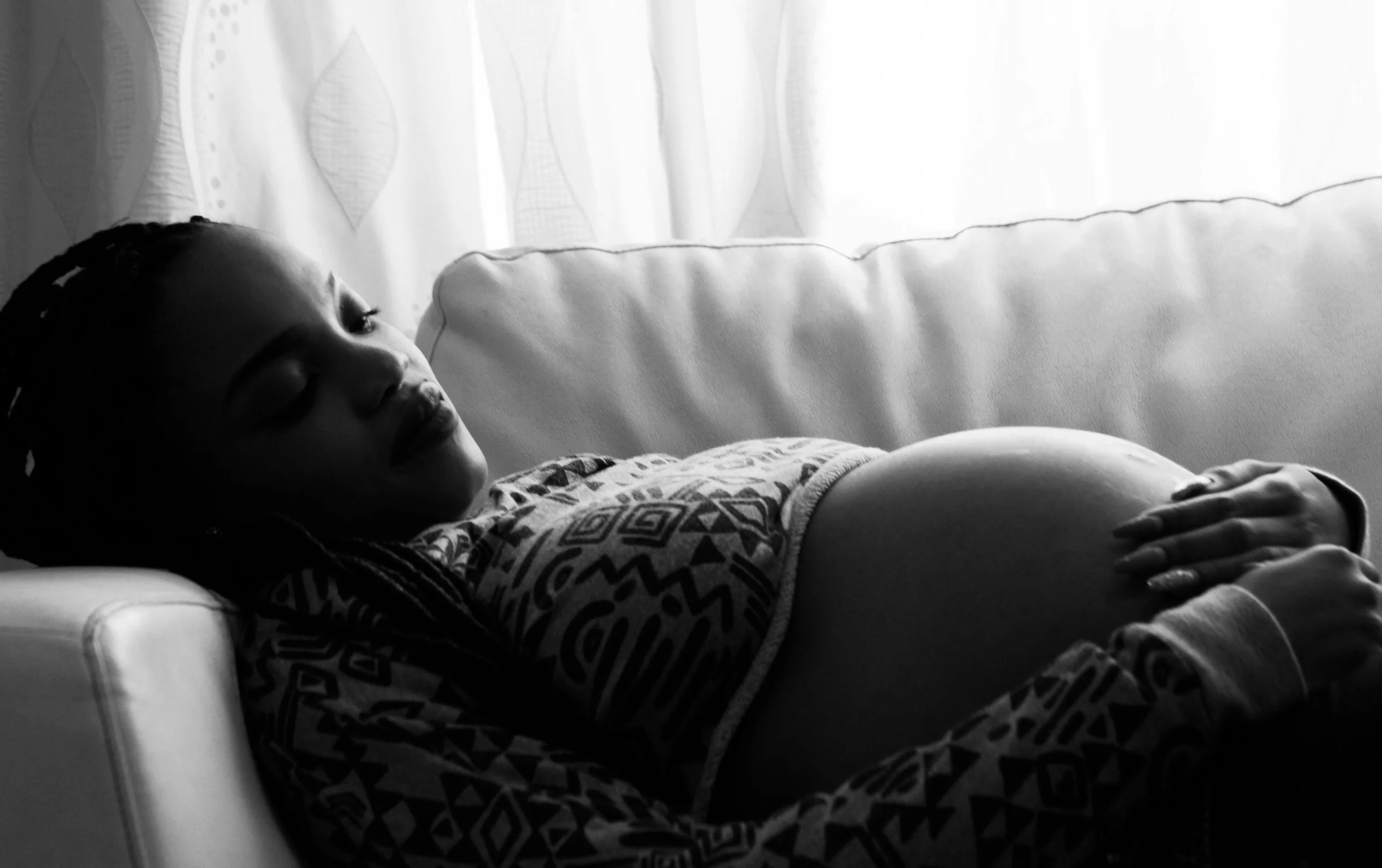
Photo by Dexswaggerboy on Unsplash
Share
When we talk about high-risk pregnancy complications like pre-eclampsia, eclampsia, and HELLP syndrome, the focus is often on the physical risks. While these conditions are indeed serious and deserve urgent medical care, the emotional impact can be just as significant—yet less often acknowledged.
For many parents, the mental health effects of surviving a high-risk pregnancy complication do not end once the baby is born. Distress, anxiety, trauma, depression, and grief can begin during pregnancy and continue into the postpartum period.
Here, we share stories from mothers who have lived this, explore the emotional toll of hypertensive disorders, and remind you that recovery includes both physical and emotional healing.
What Are Pre-eclampsia, Eclampsia and HELLP Syndrome?
These conditions are collectively known as hypertensive disorders of pregnancy.
In your words.
“I still have, to an extent, the exaggerated reflexes, so I still have random little jerks - but those were really exaggerated in those first couple of weeks. And - because I'd had convulsions and the seizing - whenever that happened, I would instantly panic that I was having a seizure.”
Pre-eclampsia (or Preeclampsia)
A pregnancy complication that involves high blood pressure, along with signs that organs such as the kidneys, liver, brain, or placenta are under strain. It is the most common serious medical disorder of pregnancy and can affect both mother and baby.
Eclampsia
A severe progression of pre-eclampsia that includes seizures. It is a medical emergency requiring immediate treatment.
HELLP Syndrome
A life-threatening pregnancy complication often linked to severe pre-eclampsia. It stands for:
Hemolysis
Elevated Liver enzymes
Low Platelets
These conditions differ in severity, but all can require urgent medical care. This may involve hospitalisation, urgent or ongoing monitoring, emergency induction, caesarean birth, NICU admission, or early delivery. That’s a lot to go through — and for many parents, those moments can feel frightening, surreal, and hard to process.
The impact of these experiences often continues beyond physical recovery.
How Pre-eclampsia Can Affect Mental Health
Pre-eclampsia, eclampsia, and HELLP syndrome are medical events, but their impact is not only physical—they can also deeply affect the mind and emotional wellbeing, often in ways that linger long after physical recovery.
What begins as a medical complication in pregnancy can become an emotional experience that unfolds through birth and into the postpartum period.
Research suggests that people who experience pre-eclampsia may be at a higher risk of postpartum depression, anxiety, and post-traumatic stress symptoms.
In your words.
“We had this really awful period of being at 20-21 weeks and having to wait and see what the outcome will be - because they couldn’t help the baby, they can’t do anything on the inside, they can’t help the baby if it’s going to pass away at that point, and if the mum is getting sick then the only treatment is to deliver the baby and deliver the placenta, which means the baby would pass away by default. So it was a really, really awful position of just waiting to see. Everyday is a battle.”
Studies have found:
23–44% of women report depressive symptoms after pre-eclampsia
8.6% experience symptoms of PTSD at six weeks postpartum
Pre-eclampsia is associated with more severe depressive symptoms
Survivors may be up to four times more likely to develop PTSD
These are more than statistics or risk factors. Behind every percentage is a real parent with a real experience.
Why Pre-eclampsia Can Feel Traumatic
Pre-eclampsia, eclampsia, and HELLP syndrome can develop suddenly and escalate quickly.
In your words.
“I was convinced that my world was ending every day for a few weeks after my son was born. Every afternoon, I would have a panic attack…. It was debilitating. Every single day, my husband would have to sit with me and remind me it's done. Obviously, not all of it was over because I still had health problems, but we're home, we're safe. We had to do that chat every single day.”
Many parents describe experiences such as:
fear for their own life or their baby’s life
emergency birth with little time to process decisions
intensive care or separation from their baby
feeling powerless or uninformed during treatment
shock after a previously uncomplicated pregnancy
ongoing health concerns after birth
If you’re wondering why this still affects you, this may be part of the reason. Even when everyone is physically safe, the emotional impact can stay with you.
These kinds of experiences can leave lasting emotional responses that vary widely from person to person.
Common Emotional Responses After Pre-eclampsia
In your words.
“I think pre-eclampsia really validated my health anxiety in a very unhelpful way, because I'm now left with a lifelong problem that puts me at high risk of just about everything, and so knowing the possibilities of what could happen in the future plays on my mind a fair bit.”
Anxiety and Hypervigilance
After a medical crisis, it can feel hard to trust that danger has passed. You may feel constantly on edge after birth. Ongoing worry about your health, your baby’s wellbeing, or future pregnancies is common. For some, this starts during pregnancy when monitoring, hospital admissions, or diagnosis begin.
Depression and Low Mood
Low mood, numbness, hopelessness, guilt, or difficulty feeling connected to daily life may emerge during pregnancy, recovery, or in the early weeks of adjusting to parenthood.
For some, this is closely linked to the stress and fear of the pregnancy experience itself, particularly when things escalated quickly or felt medically overwhelming.
You may also feel sadness about separation from your baby, or find it difficult to begin parenthood while still in survival mode.
Some parents describe feeling emotionally ‘shut down’ or detached from their body, birth experience, or early parenting while trying to process what happened.
Trauma Symptoms and PTSD
In your words.
“First night, at home, with our baby, was just an absolute recipe for disaster. I barely slept. I was up pretty much the whole night over-analysing every single thing I felt. I was so anxious I made myself sick, I remember I threw up a few times, but then I thought ‘I’ve vomited, this is it… I’m going into sepsis!’ I was like, ‘I’m gonna have to go to the hospital, I’m gonna get sick. I’m gonna have to go back, we just brought our baby home.’”
Emergency delivery, intensive care, loss of control, or fearing for your life or baby’s life can be traumatic. Intrusive memories, replaying events over and over, nightmares, avoidance of reminders, hypervigilance, or panic can all occur after a frightening birth or medical emergency.
Grief and Loss
You may grieve the pregnancy, birth, or postpartum experience you thought you would have. For some, grief may also include the loss of a pregnancy, a baby, or the sense of safety you once held. Whatever form it takes, your grief matters.
For many, these responses can continue long after the medical crisis has passed.
Feeling overwhelmed by all the unfamiliar terms?
The world of perinatal mental health can come with a whole new vocabulary—from mental health diagnoses and treatments and abbreviations. If you come across a word or acronym you don't recognise, our Perinatal Mental Health Glossary explains many of the common terms you may come across in your interactions with care providers.
When Pre-eclampsia Still Affects You
If you lived through pre-eclampsia, eclampsia, or HELLP syndrome, you did not ‘just have a complicated pregnancy.’
You may have survived a sudden medical emergency while also becoming a parent, been told you and baby were fine while feeling anything but fine, and still be carrying fear from a time when everything felt uncertain.
In your words.
“I cannot verbalise what that period did to me - it felt like I was living with a bomb in my tummy and the bomb could go off at any point. I couldn’t see the countdown. I was scared to sneeze in case I set the bomb off so it was really where my experience with trauma came into play. And unfortunately, because health care clinicians don’t receive formal training in psychological trauma, I didn’t recognise what was going on. So I normalised and dismissed it. And it did an awful lot of damage.”
Many people expect to feel grateful once the crisis has passed, then feel confused when anxiety, sadness, or distress remain. You may feel relieved and distressed at the same time. This is common after traumatic or high-stress medical experiences.
Sometimes people minimise what happened because the baby is here now. But your experience matters too.
You do not need to ‘get over it’ simply because time has passed.
Physical recovery and emotional recovery do not always happen on the same timeline. Sometimes the body recovers before the mind has caught up.
If you are struggling emotionally—or feel shaken, angry, numb, sad, anxious, or changed by the experience—you are not failing. You are responding to something difficult. These are human responses to trauma and stress.
This is why ongoing recovery and support matter beyond the birth and immediate postpartum period.
Recovery After Pre-eclampsia
The emotional aftermath of pre-eclampsia, eclampsia, and HELLP syndrome is often invisible—but it matters.
Remember…
Recovery includes both physical and emotional support.
If you’re experiencing anxiety, depression, trauma symptoms, or struggling to process what happened, you do not have to carry this alone—support can be helpful.
Your mental health deserves just as much attention as your blood pressure readings or lab results. If no one has said it yet: what you went through was real and it’s not surprising if this still affects you. You deserve care.
There are a number of services and supports available that may help during this time.
Where to Find Support After Pre-eclampsia, Eclampsia and HELLP Syndrome
Support during and after a high-risk pregnancy can include both emotional and practical care:
Counsellors or psychologists with experience in pregnancy and postpartum mental health (ForWhen, COPE, and the Gidget Foundation Australia are great places to start)
Social workers or occupational therapists can help with practical concerns
YourGP, midwife, or obstetrician can screen for depression or anxiety and connect you with support
PANDA (1300 726 306) offer free, confidential emotional support
Australian Action on Pre-eclampsia (AAPEC) offer provide support and information to families who have experienced pre-eclampsia
NurtureLine (1300 MBABIES) offer 24hr peer support for families with a high risk pregnancy, the hospital journey with a baby in a neonatal or special care unit, the transition to home and onwards
After pre-eclampsia, eclampsia, or HELLP syndrome, follow-up care is not only physical. Emotional wellbeing matters too, and reaching out for support—medical, practical, or psychological—is a valid part of recovery.
Sources
Caropreso, L., et al. (2020). Preeclampsia as a risk factor for postpartum depression and psychosis: A systematic review and meta-analysis. Archives of Women’s Mental Health, 23(4), 493–505.
Hoedjes, M., et al. (2011). Postpartum depression after mild and severe preeclampsia. Journal of Women’s Health, 20(10), 1535–1542.
Hoedjes, M., et al. (2011). Symptoms of post-traumatic stress after preeclampsia. Journal of Psychosomatic Obstetrics & Gynaecology, 32(3), 126–134.
This blog is informed by lived experience and is not intended as medical advice.
If you or someone you know needs support, Perinatal Stories Australia encourages you to reach out to Lifeline (13 11 14), 13YARN (13 19 76), or Suicide Callback Service (1300 659 467).